

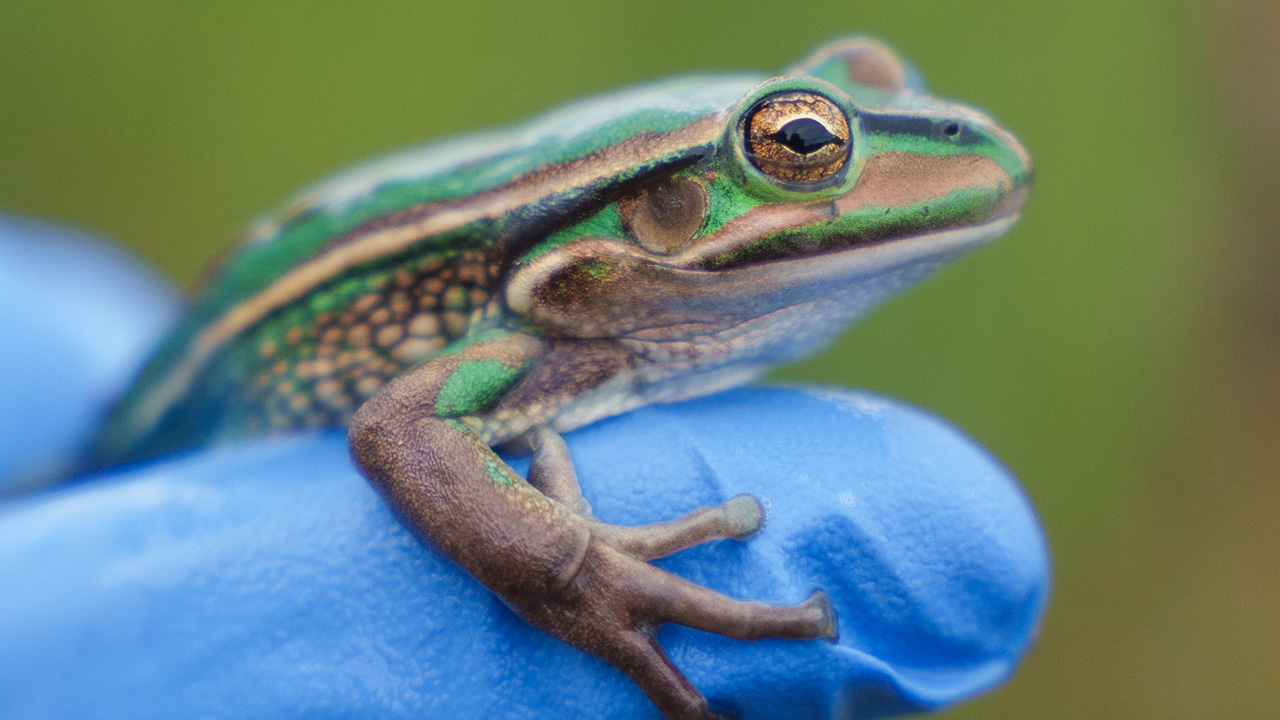
A group of this distinctive frog species has been released into Mawson Ponds.
06 February 2026
In brief:
- A locally extinct frog species has been reintroduced to the ACT.
- Local scientists have pioneered efforts to halt disease and help the frogs survive.
- This conservation work may help other species worldwide.
The threatened green and golden bell frog has returned to the ACT for the first time in over 40 years.
Researchers from the University of Canberra (UC) have released 30 healthy frogs into Mawson Ponds and will release further frogs into another 14 sites across the ACT.
This marks the iconic species’ return after it disappeared from the region in the early 1980s.
A world-first conservation project
UC scientists have led a four-year project to intervene in the species’ decline, which is in part due to a deadly infectious disease caused by chytrid fungus.
Chytrid fungus has caused many frog species globally to decline or die out.
Working with ANU researchers, the scientists bred and cared for a cohort of the frogs. Their release back into ACT wetlands is a pivotal step in fight against the fungus.
The safe captive environment ensured the frogs were protected against the fungus and grew strong. Now, the healthy amphibians have been released into the specially prepared wetlands.
To help the frogs survive, researchers changed wetland habitats to make them safer.
They added specialised habitats like small salty ponds and warm hotspot areas or ‘frog saunas’. These kill off the fungus while still being perfect for frogs.
The world-first project was supported by the Australian, NSW and ACT Governments.
About the green and golden bell frog
Locally extinct, the green and golden bell frog is classified as globally vulnerable.
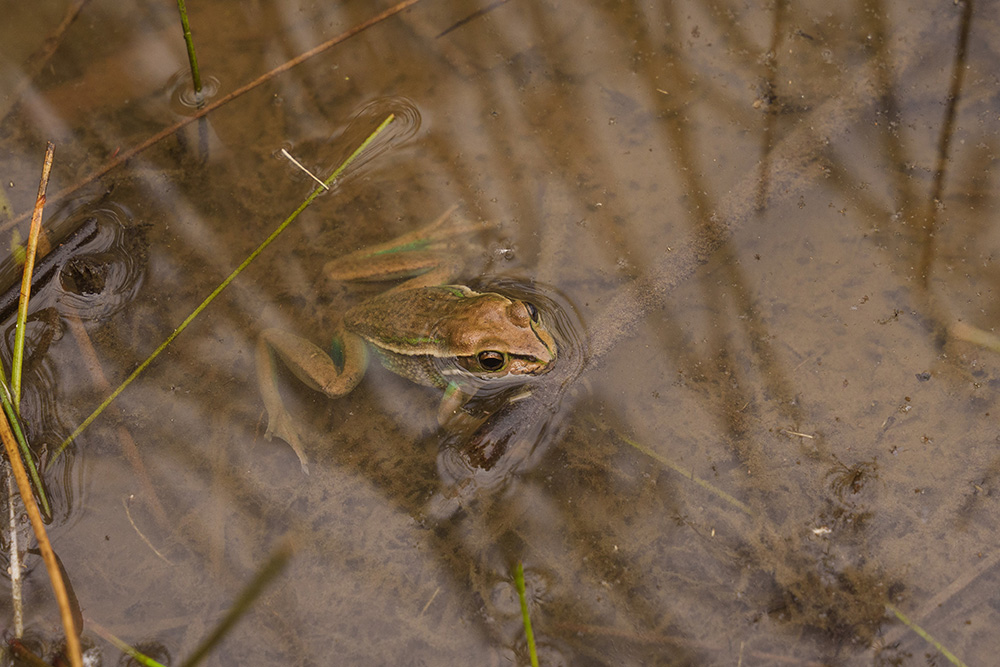
Native to south-eastern Australia, this large frog is easy to identify.
- It ranges in colour from a dull olive to bright emerald-green.
- Blotches on its body can be brown to golden-bronze.
- It has a cream or yellow strip running from behind its eye to its lower back.
- Its loud calls are said to resemble a motorbike.
Returning it to the ACT is an important step in helping the species survive, both locally and around the world.
The impact of local action
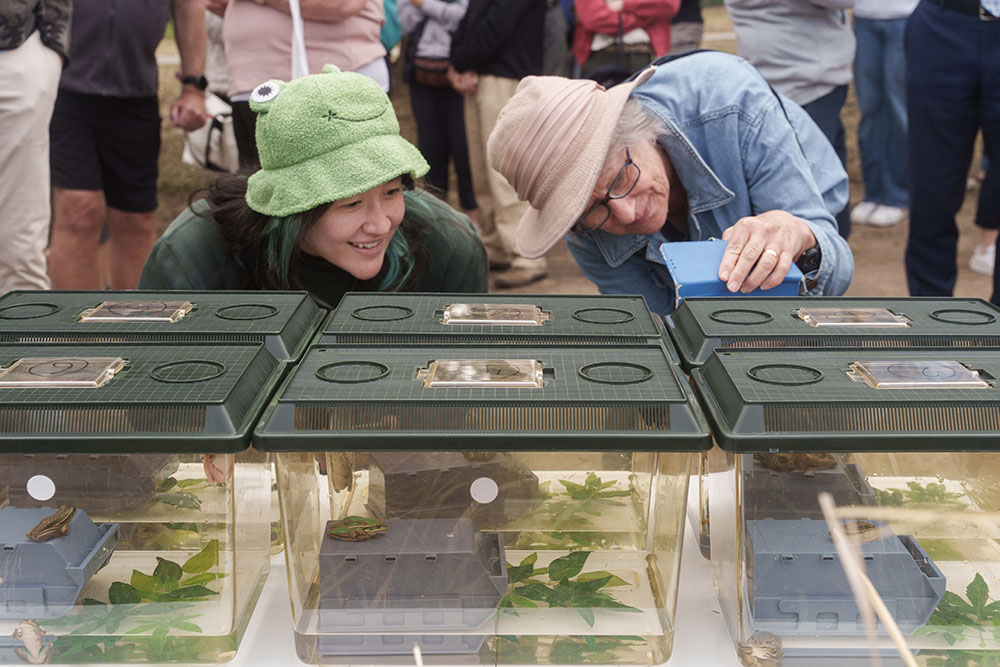
The Canberra community has also played a part. Citizen scientists and volunteers have helped build frog hotspots. They will continue to help by:
- counting frogs
- reporting sightings
- checking how the frogs are settling in.
The frogs’ release is a key step in restoring biodiversity and protecting threatened species in Canberra.
Researchers hope their work will help protect the species for years to come. And that its distinctive croak will again be commonplace across ACT wetlands.
Find out more about the frog on the Environment website.
Read more like this:
- Funding boost to save Grassland Earless Dragon
- Where to spot wildlife in Canberra
- Belconnen Oval Wetland now open
Get ACT news and events delivered straight to your inbox, sign up to our email newsletter: