

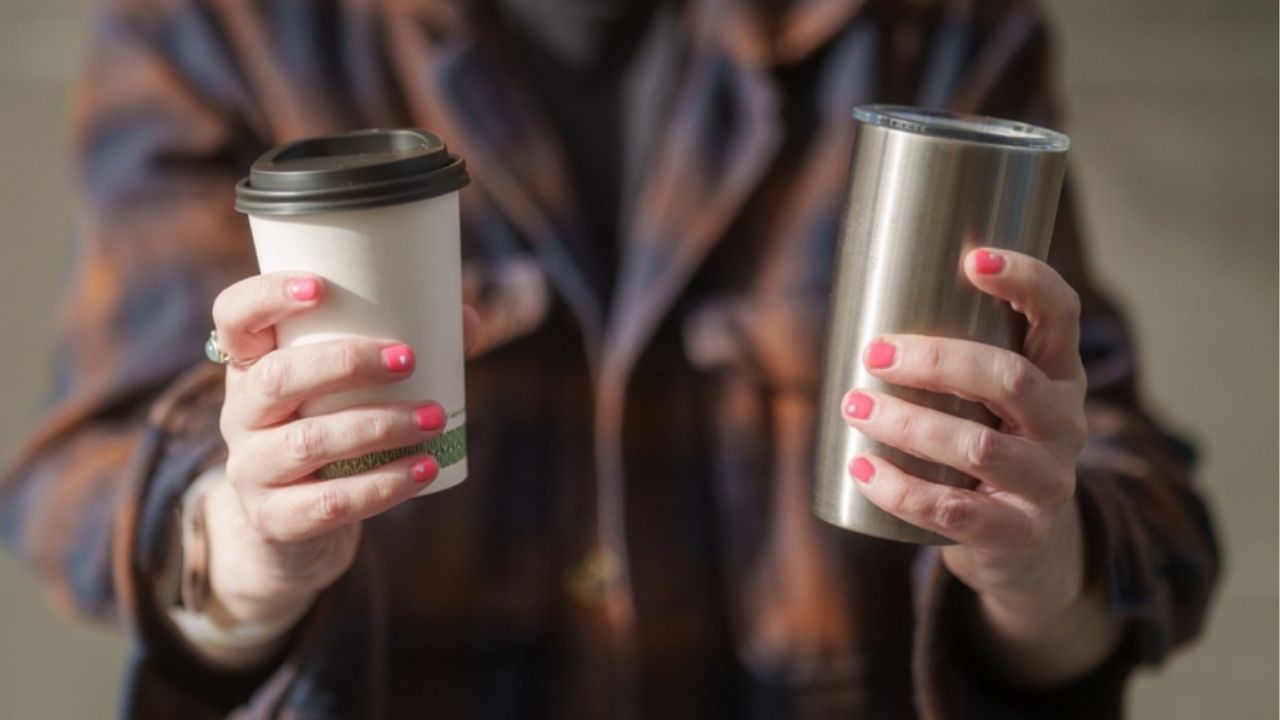
Choose reusable items instead of single-use plastics where you can.
29 June 2026
In brief:
- This article lists simple and easy ways to reduce single-use plastics.
- There are plenty of simple swaps you can make at home and on the go.
- Choose reusable items instead of single-use plastics where you can.
Cutting back on single-use plastics might seem overwhelming for some – but Canberrans can take small, simple steps to cut back.
Whether it’s bringing a reusable coffee cup, packing lunch in a glass container or saying no to products in plastic packaging, everyday choices can make a real difference.
Many single-use plastic items are used for only a few minutes, then end up in landfill, waterways or as litter in our local environment. Over time, plastics break down into smaller pieces known as microplastics.
Easy swaps you can make every day
Reducing plastic doesn’t have to mean changing everything at once.
Small actions add up and together they can make a big difference for Canberra.
Here are some simple swaps that can go a long way:
At home:
There are plenty of simple swaps you can make at home to reduce single-use plastics. In the kitchen:
- swap cling wrap for reusable beeswax wraps
- choose stainless-steel or glass containers instead of plastic – especially when heating food.
In the bathroom:
- shampoo and conditioner bars instead of plastic bottles
- reusable cloth nappies
- reusable/washable menstrual and incontinence products
- reusable/washable face wipes or cotton rounds.
On the go:
Reducing plastic when you are out and about can be just as easy.
- Buy a reusable coffee cup for when you get takeaway as disposable cups and lids are not recyclable.
- Buying takeaway food? Consider bringing your own container if the business allows it.
- Take your own bags when shopping.
- Buy loose produce where you can and support local markets to avoid unnecessary packaging.
- Use a refillable drink bottle instead of buying disposable plastic bottles.
Recycle right
When you’re recycling at home, make sure items go into your yellow recycling bin loose, not inside a plastic bag.
Bagged recycling can’t be separated and the whole bag may end up in landfill.
Soft plastics should also stay out of your yellow recycling bin.
If you’re ever unsure, search the A-to-Z Guide to Recycling and Waste before you bin it.
What the ACT Government is doing
The ACT was one of the first places in Australia to ban single-use plastics.
Businesses, organisations and community groups can no longer supply a range of items, including:
- plastic cutlery, plates and bowls
- plastic straws
- plastic shopping bags
- expanded polystyrene food containers and trays
- cotton buds with plastic sticks
- plastic microbeads
- oxo-degradable plastics
- bioplastics.
These bans help reduce litter, protect wildlife and keep plastic out of landfill, but everyday choices by Canberrans still matter too.
Read more like this:
- Your recycling questions answered
- Canberra’s most common recycling mistakes
- Free waste disposal options in Canberra
Get ACT news and events delivered straight to your inbox, sign up to our email newsletter:
